
Blog


Este blog es un espacio para el intercambio de conocimientos, de opinión, promoción y debate, tanto entre los miembros de CGLU y la comunidad de los gobiernos locales y regionales. Son bienvenidas las contribuciones y comentarios de cualquier persona interesada en cómo los gobiernos subnacionales pueden hacer del mundo un lugar mejor para sus ciudadanos.

Siga leyendo y descubra las iniciativas más variadas e innovadoras de los gobiernos locales y sus socios de todo el mundo.
Belo Horizonte
Blog
El Observatorio Ciudades Inclusivas es un espacio de análisis y reflexión sobre políticas locales de inclusión social gestionado y promovido por la Comisión de Inclusión Social de CGLU. (+)
Lucia Tengani - Organic waste in Mtandire
Blog
Baziwell is one of the pioneers of a movement started several years ago to improve the urban environment in this unplanned settlement on the edge of Malawi’s capital. Lilongwe city authorities have long neglected waste collection in poor areas like this. (+)
Climate Summit for resilient cities
Blog
This week’s UN Climate Summit has generated commitments to raise $2 billion of in-kind and direct support for cities threatened by extreme weather events fuelled by climate change. (+)
Blog
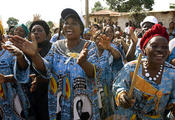
Célestine Ketcha Epse Courtés, Mayor of Bagangté Municipality (Cameroon) thinks that it is crucial to take local priorities as the starting point for development co-operation. She developed a project to provide drinking water to my citizens. With support from the International Association of Francophone Mayors. (+)
“Reimagining Public Spaces” Durban
Blog
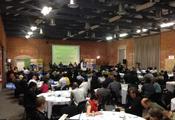
Leaders from Southern African cities gathered in Durban to talk public spaces and came out champions of Placemaking. The resulting report, summarizing the pioneering gathering of over 200, highlights the transformative role a focus on public spaces can have on addressing equity and governance in Africa. (+)
David Satterthwaite
Blog
As preparations begin for Habitat III (The 3rd UN Conference on Human Settlements) in 2016, it is worth reflecting on the impact of its predecessor, Habitat II in 1996. This paper, published in 1998, considers how the two documents agreed by governments at Habitat II as a guide for action addressed urban poverty. (+)

Pages